Categories
Uncategorized

OCD and Anxiety Cycle – All You Need to Know – Counselling 4 Anxiety

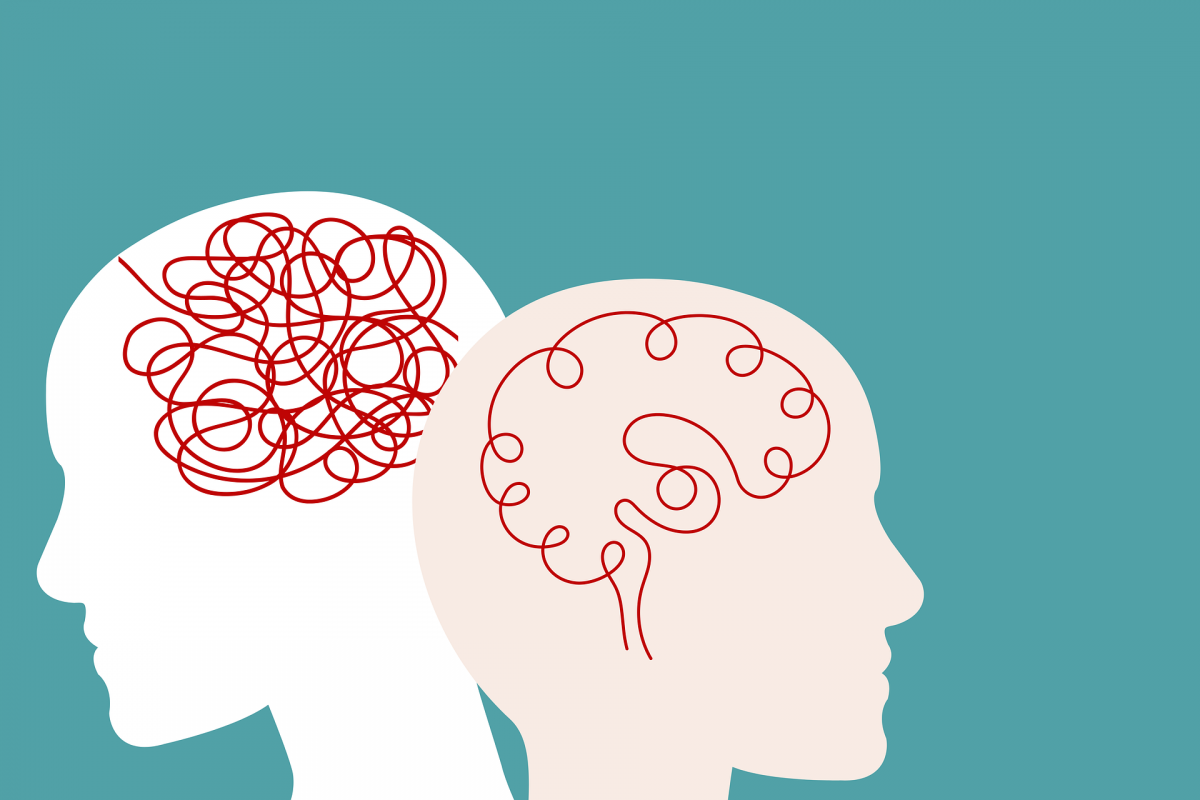
There seems to be a pattern to intrusive thoughts and the corresponding anxiety that lead to the brain mis-interpreting the danger of the thought and placing more weight and credibility around it, when it comes into the mind of an OCD and anxiety sufferer.

Intrusive thoughts have a link to the values, moral codes and experiential fears of individuals. Intrusive thoughts don’t just have a theme that is ‘plucked’ out of the air and they are based on cognitions that play on the values, moral codes and fears of people that I listed earlier. So, for example, someone who grows up hearing that his/her mother had incontinent problems after the birth of her children, may well have intrusive thoughts about losing control of their bladder. Or someone who works with children and who finds significant personal value in working with children and who passionately cares about their safety, may get intrusive thoughts that they could be a risk to children. The intrusive thought flips their moral code on its head in this instance, eliciting a sharp anxiety reaction in an individual.

So, when an intrusive thought enters into the mind of an individual who is prone to OCD and anxiety, the thought is so polar to their values and belief system that it leads to a rise in anxiety that the brain interprets as a threat. That is the way that the brain has evolved, so any detrimental changes in the body are picked up as a threat and if this is caused by a thought, then that thought becomes cognitively and automatically marked as ‘dangerous’.

This pattern is followed in the same way as someone who has obsessive fears about their bladder or about ‘wetting themselves’. The thought enters their mind and any previous incidents about their mother losing  control of her bladder, subconsciously add weight to the thought and the brain marks the thought as dangerous and problematic.

There are however, additional safety behaviours and sensory perceptions in the body that further add to the layer of mis-interpretation by the brain around such thoughts. Keeping with the bladder experience, as the anxiety rises around the initial intrusive thought, the brain obviously interprets the thought as a threat and nerve impulses automatically sense the ‘state of the bladder’. These nerve impulses that test or check the state of the bladder add further weight to the cognition and inner feelings that there is a problem and something bad is going to happen. This loop further re-enforces perceptions that the thought has real meaning to it and something catastrophic is going to happen.

It is also interesting to note that someone with OCD may then ruminate on the thought in an attempt to ‘fix it’ or come to a conclusion, and we all know that there is no conclusion since this very action re-strengthens the weight of it and the fears around it.

It is not just bodily sensations that are associated with the initial intrusive thought. Imagery that comes to mind with the corresponding intrusive thought all add to it, where the initial intrusive thought is based on the exact opposite of the values and moral framework of the individual.

It is therefore the alarming nature of the intrusive thought, and the corresponding bodily responses and ‘internal scanning process’ in the body that all add to the cycle and the strength of such thoughts.

The process lays out areas where CBT and other specialists can work with the client on. Breaking the consolidation of the intrusive thought and removing the initial anxiety ‘whoosh’ of the thought can make a real difference to this process, short-circuiting it so that the individual does not end up in a regular ruminative process.

Understanding this process is a liberating to many clients and allows them to understand the process which has historically sucked them into consistent ruminations and confusion.

Categories
Uncategorized

Why Anxiety Doesn’t Define You | Counselling 4 Anxiety

The clients that I work with have many life experiences and events that they have experienced, which have formed the stem of their anxieties and their concerns. Whether this means parents who projected their thoughts and fears of an unstable world environment into them, or carers who were emotionally missing for them. For others, persistent criticism by care givers, friends or bullying at school, all added to the anxiety that they feel as adults.

For some, anxiety and related obstacles like panic attacks or agoraphobia, have become life limiting and limit their experience of the beauty of nature and self-confidence within themselves. They have come to believe that they are defined by anxiety. 

I always make it a point in working with clients to re-affirm to them that they are more than their anxieties. That their multi-faceted experiences, thoughts, lives and beliefs mean that they are much more than the condition and that their lives do not have to be wholly defined by anxiety. I am also aware that for some this is very difficult to hang onto when anxiety affects them on an hourly or a daily basis and when it has been going on for so long that they cannot remember life without it.

However, the key to recovery is to see life as more than just anxiety. In widening a view of life that includes pleasures, interests, stronger beliefs in the goodness of others and in connectivity with others, people who have anxiety can start to see a future that looks less bleak and less confrontational. This is the start of a healing journey that may take years or even decades, but it is a critical step in that journey.

Categories
Uncategorized

Breathing Exercise: A Key Tool During Panic Attacks and Anxiety

One of the things that I hear from clients is ‘what can I do to slow down the panic‘?

Well, I think that a combination of understanding how and why anxiety and panic may have developed in someone’s life, allied to coping mechanisms and the reduction of stress, makes a long term difference and aids in their healing. This is long term work and means that incorporating this as much as possible through self-practice will reap rewards for someone with anxiety and panic attacks.

Breathwork though, is one key strategy in helping to manage the racing heart beat, feelings of panic and nervousness and agitation that take place when a panic attack occurs. The key here is breathing out and taking longer to breath out, than when breathing in. Allied to this, pursing the lips and breathing through it helps to lengthen the breathing out time of an individual.

I think that a useful measure  in breathwork is breathing in for a count of 4, holding for a count of 2 and then breathing out for a count of 6-8. The essential element is to take longer to breathe out and I encourage clients to visualise the term ‘relax’ in their minds when they breath out. Many have told me that this visualisation also focuses the mind.

Lastly, it is important to mention that the chances of someone dying during a panic attack are minimal, unless they have a history of cardiac failure or another ongoing serious cardiovascular condition. Panic attacks are not dangerous and this is the key point. For many, it is the ‘fear of fear’ that keeps the anxiety cycle fuelled. Therapists must therefore work with clients on this core point so that any behaviour patterns that have developed around the fear of panic attacks are not strengthened through subtle or more covert actions by clients.

Categories
Uncategorized

Anxiety Reactions: Are Our Bodies Trying to Keep Us Safe

One of the paradoxes of people with anxiety conditions, whether that be a Social Anxiety Disorder or Panic Disorder, is that sufferers usually translate the experiences into a set of life threatening experiences, given that their sympathetic nervous system is triggered and with that there are corresponding increases in their heart rates, sweating, breathing rates and nervous agitation. The body has in effect, gone into ‘flight or fight‘ mode.

So, it is totally understandable that people with anxiety conditions see these bodily and psychological impacts as being life threatening and things that they need to guard against. Many spend much of their time ‘fearing fear‘, seeking to contain any bodily responses that simply feel like that they could be anxiety related. This containment and ultra-sensitisation to bodily feelings that are associated with anxiety, become part of the anxiety risk that individuals start to fear. Over time, this fear of fear has a snowball effect of its own and can be one major trigger towards panic and panic disorder and also renders thoughts within sufferers that they ‘are not able to cope’. These thoughts become ego-dystonic and add another layer to the sense of fear. They also create an overestimation of risk in the minds of sufferers and an under-estimation of their ability to cope. 

The whole process is based on fear and the continuation of the fear of fear. No wonder sufferers feel confused, unable to cope, overwhelmed and lost as they live with the anxiety states and conditions. Furthermore, many health and General Practitioners with limited time to treat individuals try and assist patients by advising them on medications and the need for therapy. Both of these treatments are extremely useful and have helped tens if not hundreds of millions of people around the globe, but the point that I am making is the language that is used with patients can further re-enforce the belief that they are different and that they have a mountain to climb to get better. So the language simply adds to the sense of pathology and difference. Yet, the use of more compassionate language with patients can significantly help in the healing process.

Let me give you an example. General Practitioners who sit with patients and voice the fact that anxiety is the body’s way of trying to keep them safe because of past events, is a far more useful way of destigmatising and reducing fear around anxiety. It honours the body and how it seeks to keep individuals safe albeit through a mal-adjusted and ultra-sensitised early warning system and through the flight or fight response. Such language reduces a sense of large hurdles to be overcome by patients and reduces the sense that they are different and inherently ‘faulty’.

Language is therefore important and how we convey anxiety based bodily responses to patients can help them in healing and in grounding them to the fact that their bodies are not the problem, but that they can work through these issues. So, as ever, I call out to mental health professionals to change the way they address anxiety with patients and help them to look at it through a more compassionate viewpoint; that their bodies are simply trying to defend them because of part experiences and perceptions.

Categories
Uncategorized

Cognitive distortions in anxiety: What can we do as therapists?

Specialising in anxiety conditions such as generalised, social anxiety and obsessive-compulsive disorder has demonstrated to me how deep and ingrained cognitive distortions are in people who have suffered long-term anxiety. This is also a problem with people who may have had anxiety-related cognitions for less than five years and this depends on the strength of belief in the distorted cognitions that individuals have.

I stress this again and it is not necessarily the length of time that someone has suffered from anxiety conditions, it is the strength of believability in the cognitive distortions that pulls in people and which then hyper-fuels and stimulates a sensitised limbic system and the amygdala.

What has also been missing in many therapeutic interventions is around curiously working with clients around understanding how cognitive distortions affect many of the sensory functions of sufferers. Smell, sight (shades of colour), touch and even taste become fused in certain circumstances with distorted thoughts and these fusions are often missed in work that is done in therapy.

Therapists need to take a much wider view of the variety of sensory systems that are affected by cognitive distortions, as well as how believable the thoughts are for clients. In not addressing these sensory and cognitive fusions, therapists may miss out on how sensory stimulations and reactions keep cognitive distortions alive.

The fact is that short-term work on getting clients to understand and work on accepting alternatives to their cognitive distortions is important. Yet, many therapists do not ensure that the work is central to their therapy and many move into the framework of getting the client to understand their triggers and their family history or traumas. All of this is essential work in giving clients a wider understanding of how they have reached this point, but the point that I am trying to make is that the cognitive distortions still remain as deeply ingrained in many and continue to cause real problems for people.

Allied to this, very subtle behaviours that go with the cognitive distortions as a means of coping with them further fuel and enhance their relevance to anxiety sufferers and many of these subtle actions will not be noticeable to therapists.

Approaches in therapy that seek to let clients find alternative thinking patterns to their cognitive distortions are essential. It allows them to take ownership of alternative ways of thinking that can resonate with them. However, it is important that therapists use their natural sense of curiosity in getting clients to think as widely as possible so that they are armed with a range of alternatives that they can turn to.

Therapists should also provide psycho-education to clients to ensure that they do not use alternative interpretations of their cognitive distortions as a crutch which they automatically return to when they are anxious. This may keep the anxious thoughts alive and alternative narratives to their cognitive distortions are simply to be used as a means of getting them to think about alternatives that may ‘stick’ with relevance. This is subtle work, yet important.

Finally, this is subtle and nuanced work. Many of us are willing to tick a box to say that we can work on anxiety conditions; the truth is, are we really able to work with the complexities and range of anxiety conditions there are?

Categories
Uncategorized

How Anxiety is a Protective Response by the Body? – Counselling 4 Anxiety

I just wrote about the rise in anxiety felt post the pandemic and the kinds of search terms that are being used in counselling directories in the U.K. I also have written this piece in the Counselling Directory about how the way that anxiety is framed and talked about by front-line health professionals, needs to urgently change.

Framing anxiety as something that needs to be ‘defeated’ or ‘overcome’ may be easy to slip off the tongue, but the fact is that we can never truly get rid of the possibility of being anxious since it is hard wired into us. The way forward is to work with, accept and embrace what anxiety may do for us and to hold it, manage and calm it, when it is causing us problems in other parts of our lives; for example when we are safe but feeling nervous about some kind of impending doom.

The fact is that language is really important and framing issues such as anxiety that are seen as ‘barriers to be overcome’, give them an added impetus and energy that clients may pick up and build up in their minds. This is the last thing that they need and knowing that anxiety is not some all encompassing bear-hugging monster is key to the healing and development process. I cannot stress this enough.

The body is a complex and deeply connected system that seeks to defend and protect us from perceived or actual threats. It will do what it can and think what it can to ensure that we can get through mentally or physically testing or demanding situations. In doing so, its interpretations of situations and how we respond can become warped so that troubling feelings and thoughts are left behind as part of the coping mechanism. These are some of the lenses through which people with enduring anxiety and phobias see the world through. Uncoupling these thoughts and feelings means creating safe and workable situations in therapy where the client feels that they are not at risk and where they can explore alternatives to their anxious responses.

Categories
Uncategorized

How to Manage Post-Pandemic Stress? – Counselling 4 Anxiety

The sad fact is that the pandemic played to fears that we all have, of death, disease, lack of control and infirmity. It also played to those who have lived with Obsessive Compulsive Disorder (OCD). By pushing through the need for hand washing, distancing and the threat and fears of an airborne disease, these messages pressed the fears and insecurities of those with anxiety conditions. In other words, for some two years, the fears were potentially re-enforced in those enduring medium and long term anxiety, whether that be through social phobias, panic attacks, ruminations and health fears.

What the impact will be, has yet to be measured, though it is telling that one of the highest search terms in the Counselling Directory is ‘anxiety’. Furthermore, what will the implications be for those young people who could not go to school and who had to endure stringent measures on safety and social distancing? Once again, we will only know in the coming decade. Or, how will they fare when they have life changing situations, such as going to university, growing into adulthood, and overcoming grief and traumatic situations in the future? Will these life events trigger fears and thoughts that developed through the pandemic? These are just some of the questions that come to mind around the long term impacts of Covid-19 on anxiety and mental health.

Which is why it is essential to put into place some equilibrium on the work and life balance that young people have. Social media pressures, economic woes, the inability to pay for housing and other such living stressors are pushing young people into working longer hours and into more unstable financial working environments. What should be happening is the opposite – that young people should not be pushed to burn the candle at both ends, thereby raising long term stress impacts on their emotional, mental and physical well-being. In other words, the longer they stay in these positions of social stress, the greater the potential of them suffering a long term mental health issue.

It is therefore essential that we all have the chance to ask those around us, how they are, how they feel and to give them a chance to authentically trust us and let us know what is on their minds. The relationship with anxiety can be reframed for many people, so that it does not become a heavy weight around their body. However, the start to healing comes from talking. That is why I am so passionate that we connect to each other.

Categories
Uncategorized

Complex Anxiety Disorder (OCD) and Intrusive Thoughts – Counselling 4 Anxiety

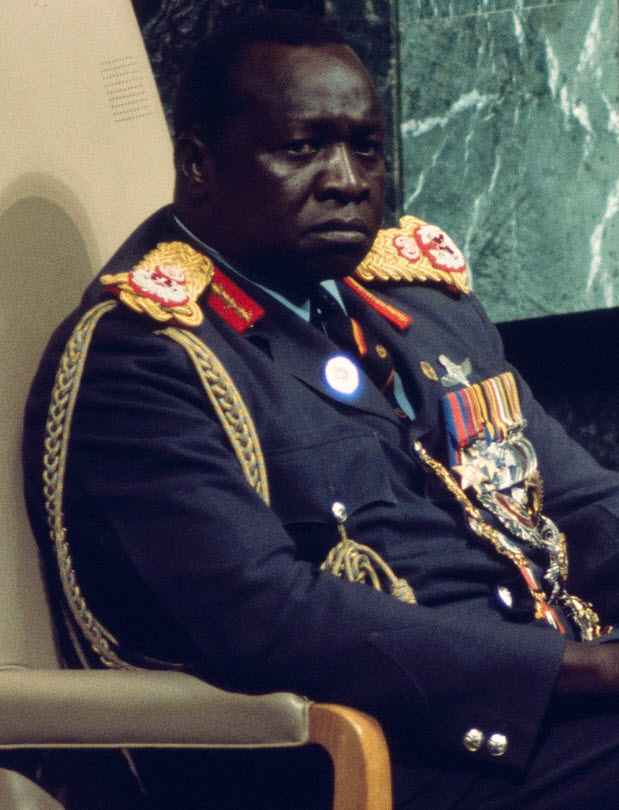
As someone from a family that was made homeless and stateless by Idi Amin in 1972, I have come to realise through painful experience, the multiple impacts of trauma on mental health, as well as on physical health.

A lifelong journey of attempting to find some form of spiritual, mental and physical equilibrium finally led me, like many, to light bulb moments in therapy.

This journey and my work with clients who endure chronic anxiety with or without OCD and intrusive thoughts, (sometimes with compulsions), demonstrates that there are a multitude of factors that lead people to be affected by these conditions. In the 1990’s when I studied Neuroscience, much was made in the science world around how science and genetics alone could unlock cures and thankfully, this argument has changed over time to take into the account the significant impact of life events which trigger these conditions. Thankfully, we are now starting to fully understand the impacts of severe traumatic shocks through life events that cause life changing mental and emotional health impacts.

Furthermore, we are as therapists, are now taking a more holistic approach to well-being and I know that one thing that I repeatedly hear from many people who suffer from both anxiety and OCD, is that they feel that their immune system has been compromised in some way and that they are more susceptible to catch things such as viral infections. In fact, some clients tell me that there is a direct link between catching a cold, flu or another viral infection and a significant uptick in their obsessions, ruminations and/or compulsions. Thirty years ago when I did my degree, any such talk in the field of Neuroscience would have seen me laughed out of the lecture room, as thought I had totally lost any grasp of reality.

Yet, we also know today that early Adverse Childhood Events (ACE’s) can lead to trauma that can lead to future clinical diagnoses of anxiety with OCD. This trauma becomes pervasive into the body functions of individuals, where it can be felt and determined through an immune system more prone to catching infections, gastro-intestinal issues and a hyper-active limbic system that creates the seat for anxiety and OCD to take root. Today, we also know that the brain is highly ‘plastic’ and that it has the possibility to heal itself through adaptive reconnections of neural pathways. Healing is therefore very possible, even in conditions deemed to be ‘serious’. We must never lose sight of that.

Our work as therapists is based on facilitating a sense of personal exploration by clients, and in holding them in a place where they can feel that they have options and new ways of looking at their conditions. This is in turn, it is hoped, can give client’s hope and over time, encourage them to take actions that can develop new neuronal connections over time.

As someone who has come into this field later in life, (and as a second career), I know that neither my ‘Neuroscience’ side or my ‘therapist’ side can fully explain mental health difficulties. By combining the two, connecting with clients and letting them navigate their wellbeing through the work, can I even try to address the outcomes that they are looking for.

Fiyaz Mughal OBE FCMI MBACP has worked for over 25 years in communities and is a qualified therapist. He specialises in conditions such as generalised anxiety, social phobias, OCD (Obsessive Compulsive Disorders), panic disorder and also works with clients to explore impacts  of geographical dislocation, faith, identity and intersectionality.


Categories
Uncategorized

The ‘Trauma’ Legacy of Amin During Uganda Indian Expulsion – Counselling 4 Anxiety.

Trauma’ – a word that you hear much about today. But what is ‘trauma’. I refer back to the statement that the informed trauma specialist, Dr Mate Gabor, said. “Trauma is not what happens to you. Trauma is what happens inside you as a result of what happens to you”. How true this statement is.

What happened to me in 1972, has lived with me to this day and age. I am now 51 and never realised how important early childhood impacts were, until the lightbulb moment when I trained to be a therapist. The fact that feelings, deep seated emotions, fears and wants are all set so early in the development of a child and which cause us to react in ways much later in our adulthood.

What many people don’t tell you is what early childhood trauma does to you later in your life. For some like me, it made me drawn to situations of high stress, anxiety and elevated stress. Why wouldn’t it? I was already attuned to it from an early age. However, what I did not know was that my parents who fled Uganda in 1972 because of the persecution of the Ugandan Asians,  were to then put me in another traumatised state. They had no choice about being expelled by the brutal dictator Idi Amin and my parents did all they could to help me survive in 1972. Of that I am eternally grateful. Arriving in the cold of winter, I can only imagine the sights and sounds of what my family met in the colourless walls of RAF Stradishall and in the fears and hopes that were contained in that camp. All I can say is that I still have problems with the ‘grey’ cloudy environment of the United Kingdom to this day. Going from the colour of Uganda to the grey clouds of winter, no doubt left a lasting impact on my formative neuronal networks in that fateful year. I just don’t do grey!

Yet, it was a later decision that further consolidated the trauma, partly driven by a value system nailed into the Asian psyche, which said that the world revolved around a ‘good education’ and that emotions came secondary to this. After leaving RAF Stradishall camp in 1973, my parents took a job in Kenya and wanted to go back to the beauty and sunshine of East Africa. After a coup in 1983 against the President of Kenya at the time, Daniel Arap Moi, they decided that they had had enough of the political instability of Africa and moved the family back to the U.K. In making the choice to move my brother and me from Kenya in 1983, the change was never explained, nor contained and neither did my parents work through the changing set of emotions, that I felt. Like many parents of the time, they felt that if you were warm, fed and watered, you were going to be fine. How emotionally simple the world looked like just forty years ago.

In fact, within months or arriving, my father was to leave for Saudi Arabia for 20 years. My mother coped alone – though the word ‘coped’ does not describe the pain, loneliness and aggravation she suffered as a lone Asian female, struggling to bring up her children in a country that was still not welcoming for people of colour. So, she sent my brother and I to a boarding school in Kent. It might as well have been like sending us to Mars; the cultural, racial and religious differences were so stark to what we had been brought up with, that it was a matter of time before the stresses of change became internalised. Internalised into a giant boot that kicked me down, because I was not good enough, not able to be happy and ‘just not like the others’. The trauma of 1972 became the traumas of 1983, 1984, 1985…….

Part of the trauma that I have felt was never feeling at home in the U.K. I felt like an outsider, never really accepted and someone on the borders of society. This was not helped by the racism that I endured from the twenties through to my mid-forties. That racism led to years of harassment from far right activists and Islamist activists, with one person even being jailed for over 5 years of persistent online harassment against me. Yet, in the distress, pain and agony of all of this, those who targeted me failed to realise that the trauma that affected me early in my life made me think the clearest when I was under stress; that I had adapted to a clarity of thought and mind when under duress and that I had Amin to partly thank for that. However, where there is a benefit, there is a drawback and when the clarity of thought faded, the resonance of being an outsider kicked in and with that – emotional pain.

What I have come to learn though, is that the brain is plastic enough to change. To adapt with a speed that is beyond our wildest of imaginations, though this change needs a deep personal realisation that change is possible, painful, but ultimately doable. In doing so, the body, psychology and even our moods adapt to a new reset.

My journey of understanding starts with Amin and who knows where it will end. I say that Amin made me the best risk manager any organisation can have, yet he also made me the one person who goes against the grain, the ‘doubting Thomas’ of a group of people. With that comes a life of struggles, but it also comes with a clarity of mind that cuts through.

Categories
Uncategorized

How The Pandemic Changed Our Lives? – Counselling 4 Anxiety

Much has changed in the last three years since the pandemic. People seem to want a better life balance, a form of rebalance and redress that was possibly coming for some time.

Taking time for walks, exercise, yoga and meeting with friends and family have become more central to people’s lives. Cutting down on stress has become more relevant to personal discussions as has the desire to get out into nature.

For far too long, many people have thought that the adrenaline and anxiety that fuels their life is just part of normal life. The morning cups of coffee, the school run with the traffic, the late working hours and the quick ‘take-away’ have all become activities that increase stress hormones and adrenaline in the body, resetting levels of activity that are unsustainable in the long term.

Which is why a ‘reset’ in our stress levels is needed. One way is through self-reflection and counselling, and there are many other ways to try and ensure that we all maintain a level of disconnectedness from the online world which has become so pervasive.

So, if you get a chance, take some time out, feel and see the beauty of nature, be mindful of the animals and birds that may be around you and just feel a sense of being alive and connected to nature. This is one of the best ways of overcoming stress and anxiety.

counselling near me

Get in Touch