Categories
Uncategorized

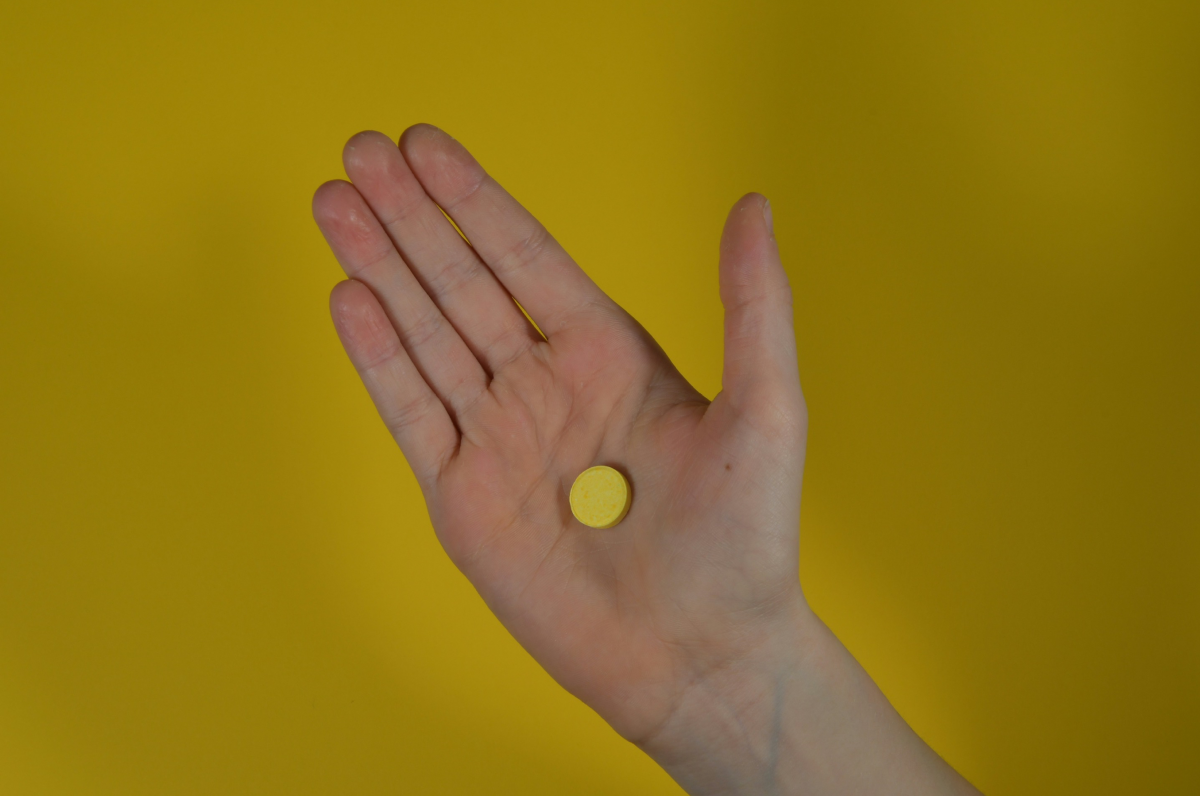
Progressive Muscle Relaxation – The Natural anti-Anxiety Pill

Progressive Muscle Relaxation is also known as PMR and is one of the main tools that can be used as a natural remedy to reduce anxiety and panic in people. So, why reach out for the medicinal cabinet when some practice and training with PMR may do the same thing, without the possibility of side-effects that are part and parcel of using medications.

So have you ever thought of popping an anti-anxiety pill but don’t want to try medication? Well, for some ‘Progressive Muscle Relaxation’ (PMR) has become the ‘go-to’ technique that acts like an anti-anxiety pill when it is regularly practised.

The fact is that a body cannot be anxious and in a state of relaxation at the same time, so working to relax sets of muscles in the body acts as a counter to any anxiety and muscle contraction building up in the body. So Progressive Muscle Relaxation can be regarded as the brake to the accelerator of anxiety and panic.

By working on the following technique that was developed by Joseph Wolpe (1958), anxiety can be reduced however, it involves practising twice a day for about 15-20 minutes for 2 weeks. Consistency of practice is therefore key to its success in countering anxiety.

So, why don’t you try the following!

Take a seat and get comfortable. Place your feet firmly on the floor and consider 5 major muscles that you may want to tense for 5-7 seconds and then to relax for 10-15 seconds.

The key here is to really engage with the muscle relaxation and to feel the sensations of the relaxation. You may also choose to use word visualisations that can assist in the relaxation process by imagining the term ‘relax’ moving from your scalp to the relevant muscle area. The key here is to really engage with the relaxation of the muscle and to feel it, sense it, and engage with the relaxation as much as possible.

So for example, let’s try some major muscle groups that people can relate to and which can be easily felt as they tense and relax. In light of this, why don’t you consider tensing and relaxing your:

1)        Trapezoid muscles that are connected to your neck and shoulder joints,

2)        The Gluteus Maximus muscles which make up our buttocks,

3)        Your biceps muscles in your arms,

4)        Your jaw muscles, making sure that when you clench you do not damage your teeth,

5)        Your forearm muscles, which can be tensed by clenching your fist and moving your fists upwards whilst keeping your forearm steady and straight.

Remember that the more you contract and the more you can feel the relaxation, the quicker and easier it will be to reduce any anxiety responses in your body – so practice, practice and practice is the mantra.

Progressive Muscle Relaxation (PMR) is used by millions of people on a daily basis and is a tried and tested anti-anxiolytic. So why don’t you give it a go as we enter into the New Year and implement new ways of reducing anxiety, stress, panic and tension in your life? If anything, the physiological benefits to your body are well worth the effort.


 

Categories
Uncategorized

Living with Agoraphobia: Understanding, Overcoming and Finding Hope

Imagine feeling trapped by invisible barriers, where the thought of leaving home or being in certain places fills you with dread. For those living with agoraphobia, these feelings aren’t just temporary—they’re a daily struggle that can make even the simplest tasks feel impossible. But here’s the hopeful truth: agoraphobia doesn’t have to define your life. With the right knowledge, tools, and support, it’s possible to take control, find relief, and rediscover your confidence.

In this blog, we’ll explore some of the most common questions about agoraphobia, including whether it can go away, why it happens, and what steps you can take toward healing.

Does Agoraphobia Go Away?

The short answer is yes, agoraphobia can go away, especially with effective treatment. Recovery is different for everyone, but therapy is a powerful tool for addressing the fears and behaviors that keep agoraphobia alive.

Therapies like Cognitive Behavioral Therapy (CBT) help you gradually confront and challenge the thoughts and situations that trigger anxiety. Over time, repeated exposure to these feared situations in a controlled and supportive way can reduce their hold over you. Some people also benefit from medication to manage the intensity of their symptoms, particularly in the early stages of recovery.

It’s important to know that recovery takes time, patience, and persistence. While progress might feel slow at first, even small victories—like stepping outside for a short walk—are meaningful steps toward freedom.

Does Agoraphobia Come Back?

Relapses are possible, but they don’t mean failure. For some, periods of heightened stress, trauma, or life changes can trigger a return of symptoms. However, this doesn’t mean agoraphobia is permanent.

If symptoms resurface, the coping strategies and techniques you’ve learned during therapy can be invaluable. Many people find that returning to therapy or practicing techniques like mindfulness, relaxation exercises, or journaling helps them regain control.

Think of managing agoraphobia like maintaining your physical health—it’s an ongoing process, but with consistent care and attention, you can stay in control.

Does Agoraphobia Cause Dizziness?

Yes, dizziness is a common symptom of agoraphobia, often linked to the body’s fight-or-flight response during anxiety or panic attacks. This response floods your body with adrenaline, which can cause rapid breathing (hyperventilation), lightheadedness, or a sense of unsteadiness.

Dizziness can feel especially disorienting if it occurs in crowded spaces, on public transport, or in wide-open areas—all common triggers for agoraphobia. Learning grounding techniques, such as slow breathing or focusing on physical sensations (like the feel of your feet on the ground), can help you regain control when dizziness strikes.

Does Agoraphobia Qualify as a Disability?

In many cases, agoraphobia qualifies as a disability, particularly if it significantly impacts your ability to work, socialize, or complete daily tasks. In countries like the UK, US, and Australia, individuals with severe agoraphobia may be eligible for support, including financial assistance or accommodations at work or school.

Seeking a professional diagnosis is an important first step if you’re considering applying for disability support. This documentation not only validates your experience but also helps you access the resources you need to live a fuller life.

Does Agoraphobia Run in Families?

There is evidence that agoraphobia can run in families. Genetics play a role in anxiety disorders, meaning that if a close family member has agoraphobia or another anxiety condition, you may have an increased risk.

However, genetics is only part of the story. Environmental factors, such as growing up in a household where fear or avoidance behaviors were modeled, can also influence how agoraphobia develops. The good news is that regardless of family history, agoraphobia is treatable. Understanding this connection can foster self-compassion and help you take proactive steps toward recovery.

Does Agoraphobia Get Worse with Age?

Agoraphobia doesn’t automatically worsen with age, but untreated symptoms can become more entrenched over time. For example, avoiding feared situations might lead to increased isolation, making it harder to break free from the cycle of avoidance.

However, age also brings opportunities for growth. With the right support and intervention, it’s possible to address agoraphobia at any stage of life. Whether you’re 20 or 70, it’s never too late to take steps toward healing and reclaiming your independence.

Does Agoraphobia Come and Go?

For many people, agoraphobia symptoms fluctuate. You might experience periods of calm where symptoms feel manageable, followed by more intense episodes during stressful times. This ebb and flow can be discouraging, but it’s also a reminder that your condition isn’t static—it can improve with the right tools and care.

Recognizing these patterns can help you prepare for more challenging times. Having a plan in place, such as revisiting therapy or practicing stress-management techniques, can make it easier to navigate these ups and downs.

Keeping Hope Alive

If you’re living with agoraphobia, you might feel as though fear is calling the shots. But the truth is, you have more power than you think. Recovery is a journey, and while it may feel daunting, every step forward—no matter how small—brings you closer to the life you deserve.

As a qualified therapist specializing in anxiety conditions, including agoraphobia, I’ve seen firsthand how people can transform their lives. You don’t have to face this alone. Together, we can work to understand your unique challenges, build coping strategies that suit you, and create a path toward lasting relief.

Seeking help does not mean weakness. It means that you value yourself and your well-being.

Categories
Uncategorized

5 Game Changing Strategies to Stress Less and Live More

Stress and the subsequent anxiety feels overwhelming at times, like a weight we can’t shake off. Anxiety seems to remain in the body as some form of residual reservoir until we manage to reduce the excess nervous energy that is associated with it. The problem with stress and anxiety though, is that over a long period of time, it has a deleterious effect on health.

As a therapist, I work with individuals to get an understanding of how they may be prone to stress from their life experiences and their behaviours, and I include practical measures on how they can reduce their stress and anxiety over time. So here are practical ways to shift your experience of stress into something manageable—and even transformational. Here are five core approaches to help you reclaim calm, one step at a time.

1. Anchor Yourself in the Present

Stress often pulls us into the “what ifs” or regrets of the past. It causes people to feel like they are withdrawing and ‘going into themselves’ and I hear this time and time again with the people that I work with as a therapist. Practicing mindfulness—simple grounding exercises, like focusing on your breath or your senses—helps you reconnect to the here and now, where clarity lives. Even a single deep breath can interrupt a stress and anxiety spiral. So, it is important practising ‘staying in the present’ and allowing any stressful thought and feelings to pass, by allowing yourself to be connected with your surroundings and in the present, rather than internalising and ruminating.

2. Be Aware of Your Stress Signals

Your body and mind are sending messages. Is it tension in your shoulders? A racing heart? These clues help you understand what stress is trying to tell you. Stress isn’t your enemy; it’s a signal. Listening to it allows you to respond with kindness and compassion to yourself. Heeding stress and anxiety signals earlier also allows you to become aware of them much earlier and reduce their deleterious impacts over time.

3. Reframe the Narrative

Stress often feels like a story we can’t escape. But you have the power to change the lens and the internal story that you tell yourself. Ask yourself: Is there another way to view this? For example, instead of seeing a challenge as a threat, could it be an opportunity to grow and to learn more about yourself? Does it tell you more about how your body responds? Does it tune you to what makes your body ‘tick’ and in doing so, makes you also more aware of how you function at these times?

Reframing doesn’t dismiss difficulties—it empowers you to face them differently by listening to how resilient you have previously been and can be. This is important to remember.

4. Prioritize and Amplify Micro-Moments of Joy

Big life changes feel daunting, but tiny moments of joy—a good laugh, a walk outside, or a favorite song—can be equally transformative. These small, intentional acts of care create a buffer against stress over time and they help to reduce stress and anxiety a step at a time. They also take the mind to places that feel more hopeful, possibly more joyful and more optimistic.

5. Build a Supportive Routine

Routines ground us when everything feels uncertain. Incorporate small habits that soothe you, like journaling for five minutes or sipping your morning coffee without distractions. These rituals build a foundation of calm in your day-to-day life.

Hope Beyond Stress

Stress and prolonged anxiety do have to define your story. It’s part of being human, but it’s not the whole picture. By leaning into these strategies, you’re giving yourself permission to create more balance, more resilience, and more peace. You’re not alone in this journey—and it’s a journey worth taking.

counselling near me

Get in Touch