
Categories
Uncategorized

Reclaim Your Calm: Anxiety Relief & Relaxation Techniques

If you’re struggling with anxiety symptoms—racing thoughts, tight shoulders, trouble sleeping, or overwhelming worry—you’re not alone. These signs of anxiety are common, and many arrive seeking tools that bring real relief. I’m here to walk beside you.

Why Relaxation & Coping Strategies Matter?

Anxiety can hijack your nervous system, keeping you stuck in a cycle of fight-or-flight responses—racing heart, rapid breathing, irritability, and fatigue. That’s why mastering relaxation techniques, mindfulness, and CBT coping strategies is crucial. They help shift your mind and body from survival mode to a place of calm and safety. However, these techniques need repeated practice to allow your amygdala and nervous system to reduce the sense of hyper-stimulation that they may feel.

Stage 1: Grounding to Reduce Anxiety

Popular grounding tools include the 5-4-3-2-1 technique and sensory engagement. These are proven ways to bring awareness back to the present moment and ease acute stress and anxiety symptoms.

Try This: 5-4-3-2-1 Grounding Say out loud:
5 things you see,
4 things you feel,
3 things you hear,
2 things you smell,
1 thing you taste.

Allow your external curiosity to grow and go with it!

Stage 2: Breathing & Mindfulness

Diaphragmatic breathing and box breathing are core mindfulness techniques often used in CBT for anxiety.

Try This: Box Breathing: Breathe in 4 seconds,
Hold 4 seconds,
Breathe out 4 seconds,
Hold 4 seconds.
Repeat 4–6 times.

Remember in-between cycles to allow your breath to come back to normal.

Stage 3: Physical Tension Release

Progressive muscle relaxation (PMR) helps you notice and release muscle tension—commonly in the jaw, shoulders, and chest—reducing your anxiety triggers.

Try This: Clench and hold each muscle group (toes → jaw), then release, noticing the sensation of letting go. Noticing the difference between the clenching and releasing of muscles is key.

Stage 4: Using Guided Imagery or ‘Internal’ Visualization to Build Safe Space

Guided imagery or safe place visualization creates an internal refuge. This is a powerful anxiety coping technique when stress intensifies.

Try This: Close your eyes. Picture a safe place—beach, forest, room. Explore colours, textures, smells, and sounds. Use your imagination and your sensory abilities to connect with visualisations of sights and sounds that may come up.

Stage 5: Identifying Triggers & Thought Patterns

Deepening relaxation means digging into what fuels your worry—like work stress, social anxiety, caffeine, or lack of sleep. In therapy, we often use journaling, thought records, or CBT worksheets to track anxiety triggers, reduce avoidance, and reshape negative self-talk.

A Warm Invitation to Connect

If these tools resonate but you find relief still slipping away, that makes sense—many people need a bit more support. In my practice, I specialize in:

  • One-on-one anxiety therapy
  • CBT for anxiety, mindfulness training, and trauma-informed care
  • Helping you explore generalized anxiety disorder (GAD), social anxiety disorder, panic attacks, or situational anxiety

Together, we can build your personalized anxiety management toolkit—combining relaxation techniques, coping strategies, and therapeutic support.

Ready to Get Help?

You deserve a life with more calm, confidence, and freedom. If you’re searching for an anxiety therapist in person or online or need mental health services for anxiety, let’s connect. You can reach out to me here to book a free initial consultation.

You don’t have to face this alone—help is available, and you can reclaim your calm, one breath at a time.

Categories
Uncategorized

5 Practical Ways to Break Free from Rumination and Return to the Present Moment

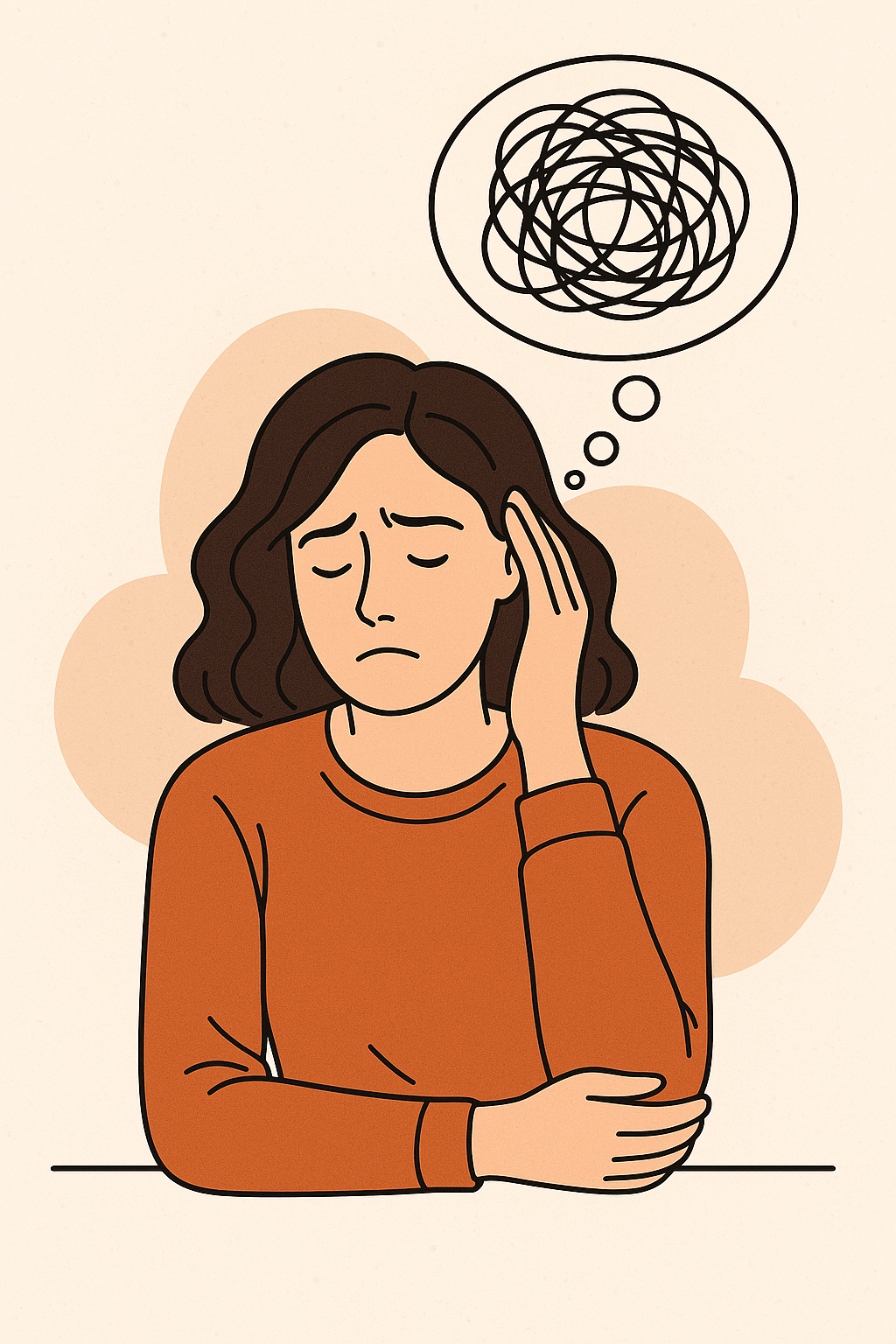
We’ve all experienced those moments when our minds become entangled in a web of overthinking. We replay past conversations, anticipate future mishaps, and attempt to solve problems that seem insurmountable. This mental loop, known as rumination, often masquerades as problem-solving but typically leads us further away from peace and clarity.

Rumination is a common companion of anxiety, convincing us that persistent thinking will bring relief. However, it often results in increased stress and a disconnection from the present moment. The good news is that there are gentle, effective strategies to help shift our focus from these unproductive thought patterns back to the here and now.

Here are five grounding tools designed to help you break free from rumination and reconnect with the present moment:

1. Feel Your Feet on the Ground

When your thoughts are racing, take a moment to shift your attention to your feet. Notice the sensations—the contact with the floor, the pressure, the temperature. Press your toes gently into the ground and observe the change in sensation.

Why it works: This practice anchors your awareness in your body, interrupting the cycle of overthinking. By focusing on physical sensations, you signal to your nervous system that you are present and safe.

2. Name Five Things You Can See

Engage your senses by looking around and naming five things you can see. Be specific: “the chipped mug on the table,” “the shadow on the wall,” “the blue of my jeans.” Saying them out loud can enhance the effect.

Why it works: This sensory grounding technique diverts your attention from internal thoughts to external stimuli, helping to break the cycle of rumination and bring you back to the present moment.

3. Place Your Hand on Your Heart

Gently place your hand over your heart and take a few deep breaths. As you do, offer yourself a kind phrase, such as, “This is hard right now, and I’m allowed to take a breath.”

Why it works: This gesture activates your body’s self-soothing system. Combining touch with compassionate words can calm the overactive parts of your brain associated with rumination, shifting you from self-criticism to self-support.

4. Set a 90-Second Timer

Next time you catch yourself ruminating, set a timer for 90 seconds. Allow your thoughts to flow freely during this time. When the timer ends, gently tell yourself, “I’ve heard you. Now I’m choosing to move on.” Then, engage in a different activity—stretch, play music, step outside, or message a friend.

Why it works: This technique provides a boundary for your rumination, acknowledging your thoughts without letting them take over. It empowers you to practice agency and redirect your focus to what you are doing and what matters to you.

5. Use Your Breath Intentionally

Try this breathing pattern: inhale for 4 counts, hold for 4, exhale for 6, and pause for 2 and then let your breath come back to normal. Repeat this cycle 3–4 times, visualizing your breath as a tide moving in and out.

Why it works: Lengthening your exhale activates the parasympathetic nervous system, responsible for rest and safety. This signals to your body that it’s okay to relax, helping to reduce anxiety and interrupt rumination.

Final Thoughts

Rumination can feel like quicksand—the more you struggle, the deeper you sink. It’s important to remember that you’re not alone in this experience, and it’s not a reflection of weakness. Often, rumination is a coping mechanism developed in response to past challenges, though the coping mechanism of rumination has become a hindrance now. Much like coping mechanisms, they may have worked in the past, but they don’t at this moment.

The tools shared here aren’t about “fixing” yourself; they’re about meeting yourself with kindness and presence. By gently guiding your attention back to the present moment, you create space for healing and peace.

Remember, you don’t need to have everything figured out right now. Sometimes, simply returning to the present is the most powerful step you can take.

counselling near me

Get in Touch